

Get Fast With Speed and Agility Training, Atlanta, GA
Reach your speed and agility goals with an experienced personal trainer in Atlanta. Call (678) 680-5304 today!
At The Rack APC, we offer a comprehensive suite of speed training tools to enhance athletic performance through precise and personalized programming. Our state-of-the-art force plates gather extensive data on athletes, assessing their power and force output to tailor training to their needs. The Proteus 2.0 machine plays a crucial role in our assessments, determining whether an athlete is more force-dominant (strong) or velocity-dominant (fast), which guides us in customizing their training regimen.
Additionally, our VALD smart speed system, equipped with laser tracking, not only measures standard 10yd and 40yd times but also provides detailed splits within these distances. This capability allows us to pinpoint whether an athlete needs to focus on improving acceleration or maximizing their top speed. Furthermore, as a certified Speed Lab with the Universal Speed Rating (USR) system, we can accurately evaluate athletes' speed application, compare their performance within specific cohorts, and further personalize their training programs. This holistic approach ensures that each athlete receives targeted training designed to unlock their full potential.
So, if you're looking to improve your athletic abilities, keep reading to learn about the power of speed and agility training. If you're in the Atlanta area, schedule a consult to start with a coach.
Call us at: (678) 680-5304
The Importance of Speed and Agility Training
Speed and agility training are essential to athletic development, enhancing an individual's physical performance and capabilities. Incorporating speed and agility training into one's fitness routine improves athleticism and contributes to injury prevention, as it helps develop proprioception and body awareness.
Many professional athletes use specialized equipment such as VertiMax and Raptor to target specific muscle groups and enhance explosiveness. These training tools offer variable resistance and help in maximizing power output, leading to faster reaction times and improved coordination on the field or court.
The Benefits of Speed and Agility Training
Engaging in speed and agility training offers numerous advantages, from improved athletic performance to reduced risk of injuries.
These training methods help athletes move faster and react quicker on the field, contributing to overall physical well-being. By incorporating specific exercises such as ladder drills, cone drills, and plyometric exercises, speed and agility training can enhance coordination, balance, and flexibility. Improved agility and speed can lead to better performance in various sports, allowing athletes to outmaneuver opponents and excel in their chosen disciplines. This type of training also plays a crucial role in injury prevention, as it strengthens muscles, tendons, and ligaments, reducing the likelihood of strains and sprains.
What is Speed and Agility Training?
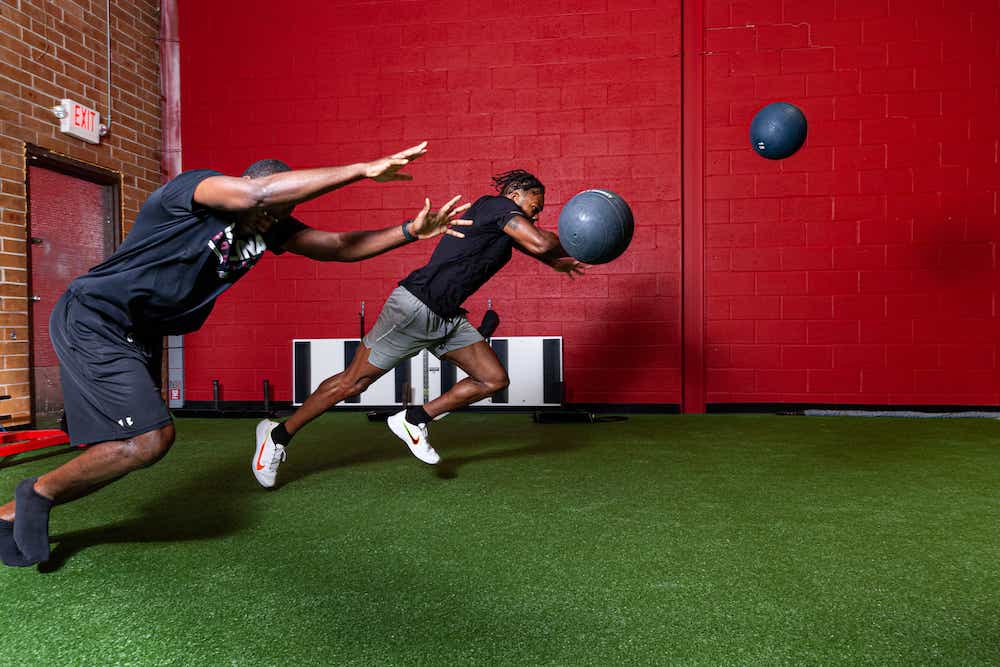
Speed and agility training encompasses a range of exercises and drills designed to enhance an individual's quickness, agility, and overall athletic performance. These training programs focus on developing specific skills related to speed, agility, and quickness, which are crucial for success in various sports and activities. Speed refers to how quickly an individual can move from one point to another, while agility involves the ability to change direction rapidly and efficiently. On the other hand, quickness entails both speed and agility combined in performing movement patterns effectively.
Definition and Explanation
Speed and agility training involves structured programs focused on improving an individual's speed, agility, and overall athletic abilities through targeted exercises and drills. This type of training is essential for athletes across various sports disciplines, as it helps enhance their performance and reduce the risk of injuries on the field. According to fitness expert Amanda Capritto, speed and agility work involves a combination of strength, power, coordination, and reaction time, all of which are crucial for success in competitive sports.
Components of Speed and Agility
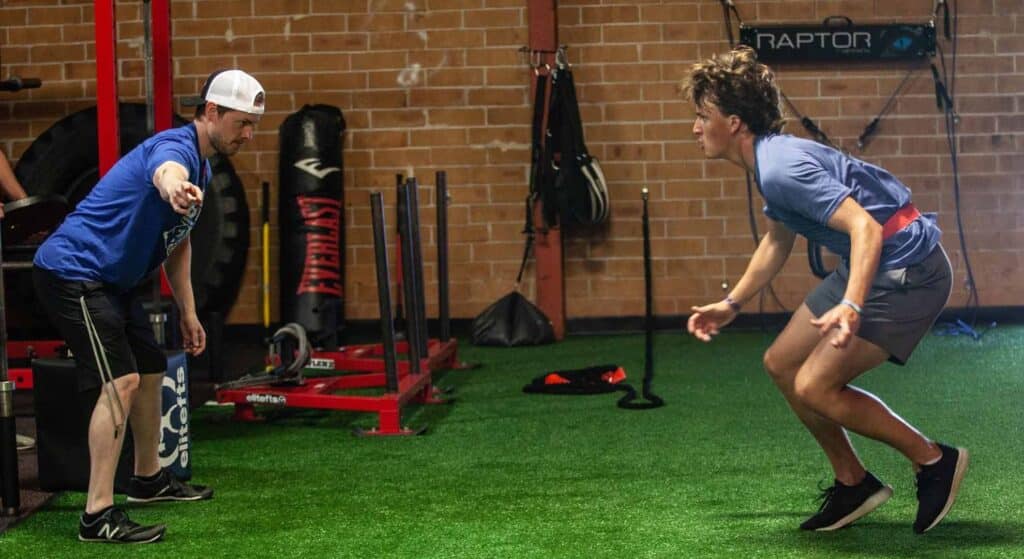
Speed and agility training includes specialized workouts, drills, and techniques aimed at enhancing an individual's speed and agility under the guidance of certified trainers. The RACK certified trainers, like Ed Miller, who hold credentials such as CPT, CES, CNC, and CF-L1, play a crucial role in designing structured workout routines that target specific muscle groups and movements to improve overall performance. Structured routines are essential as they not only enhance speed and agility but also help prevent injuries by gradually increasing intensity and incorporating recovery periods.
Types of Speed and Agility Training
Speed and agility training encompass various types, including ladder drills, cone exercises, and specialized workouts tailored to enhance an individual's athletic performance. Ladder drills focus on improving footwork, coordination, and quickness, while cone exercises enhance agility and directional changes. Athletes looking to step up their training game often incorporate equipment like the Powermax 30' Agility Ladder to intensify their routines and target specific aspects of their speed and agility.
Elevate Your Game With Elite Speed and Agility Training at The Rack
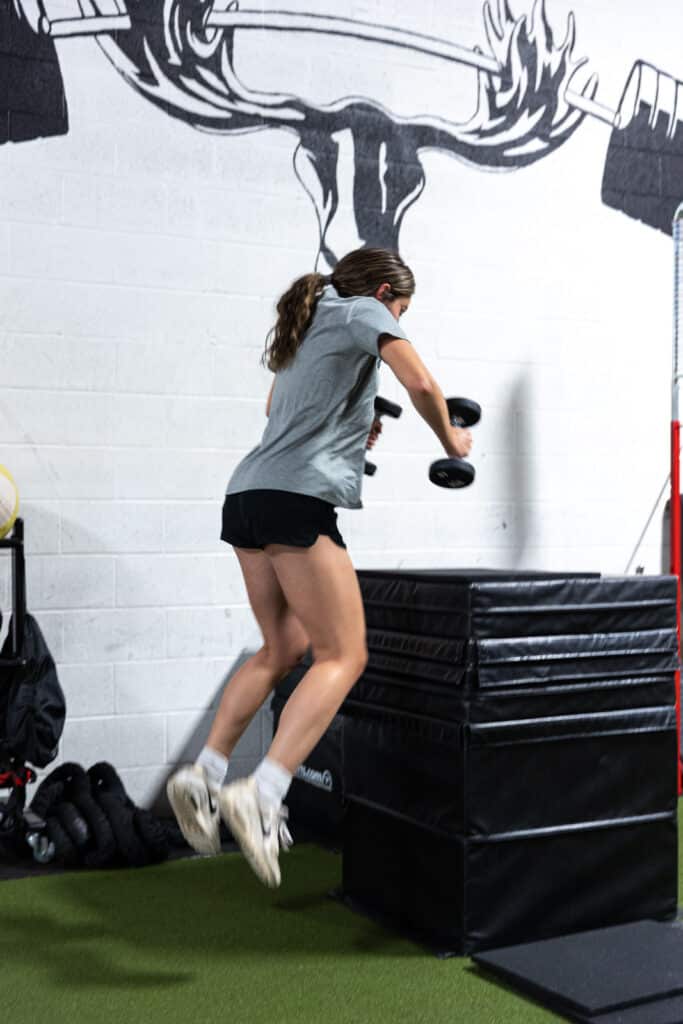
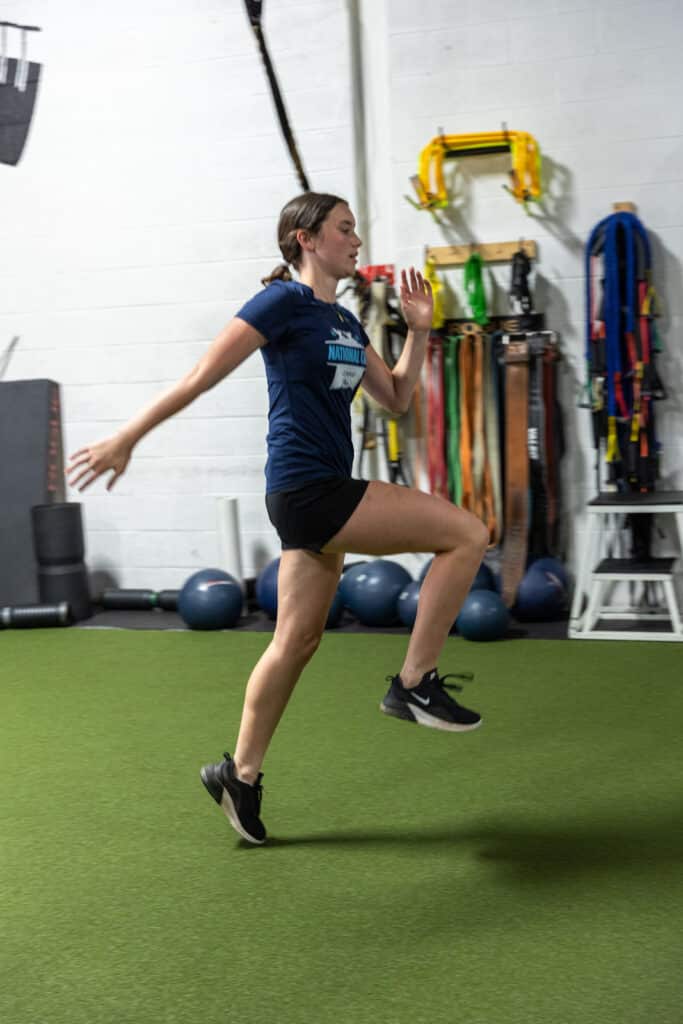
At The Rack Athletic Performance Center, our mission is to propel athletes to their peak performance through our specialized speed and agility training programs. In the heart of Atlanta, we offer a focused and exclusive setting for those dedicated to advancing their athletic prowess. Reach out to us now to explore our elite training facilities and discover how our bespoke speed and agility sessions can transform your competitive edge. Whether your goal is to increase your sprint speed, enhance your directional agility, or simply to outmaneuver your competition, The Rack is your partner in achieving unparalleled athletic excellence. Take the first step toward redefining your limits.
What Athletes Say
★★★★★
Great gym, one of the best I have ever trained in. Professional staff, everything you could possibly need to train.
Greg E
★★★★★
8 year member of The Rack. If you want to get strong, or lose weight, or prevent injury, this is your place.
Steve Feldman
★★★★★
I've made so much progress so fast. They know what they're doing.
Mia Dillard
The Role of Speed and Agility in Different Sports
Speed and agility play a crucial role in enhancing performance across various sports, including football, basketball, soccer, tennis, and track and field, by improving athletes' physical capabilities.
Football
In football, speed and agility are essential attributes that contribute to a player's ability to maneuver on the field, evade opponents, and execute plays effectively. By incorporating specific drills like ladder agility runs, cone drills, and shuttle sprints into their routine, football athletes improve their footwork, change of direction, and acceleration, and sharpen their reaction times during fast-paced game situations.
Basketball
Basketball players rely on speed and agility to navigate the court, defend against opponents, and execute quick movements essential for scoring and defensive plays. Speed enables players to outrun opponents on fast breaks, while agility allows them to evade defenders with sharp cuts and pivots.
- Cone drills, where players weave in and out of cones in various patterns to improve lateral quickness and footwork.
- Ladder drills, which improve foot speed and coordination through rapid movements in and out of the rungs.
- Defensive slide drills, to stay low, move laterally, and mirror opponents' movements on the court.
Soccer
Speed and agility are critical in soccer, enabling players to sprint, change directions swiftly, and maintain control over the ball during fast-paced matches. Focusing on drills such as ladder drills, cone drills, and shuttle runs helps players develop the footwork, balance, and coordination required for quick changes in direction and explosive bursts of speed.
Tennis
Tennis players leverage speed and agility to cover the court efficiently, react to opponents' shots, and execute precise movements crucial for winning points. Quick reflexes and sharp changes in direction let players anticipate their opponent's next move and position themselves advantageously. Ladder footwork exercises, cone drills for lateral movement, and reaction drills improve both responsiveness and overall court coverage.
Track and Field
Speed and agility are fundamental in track and field events, influencing sprinting abilities, hurdle techniques, and overall performance. Speed is crucial for faster race times, while agility aids athletes in generating explosive power and coordinating their movements in jumping and hurdling events.
How to Incorporate Speed and Agility Training Into Your Routine
Integrating speed and agility training into your workout routine can enhance your overall fitness level by focusing on warm-up, drills, and recovery practices for optimal performance.
Warm-up and Stretching
Prioritizing warm-up and stretching routines is crucial before engaging in speed and agility training to prepare the body, prevent injuries, and optimize performance. Dynamic movements and stretching increase blood flow, raise core body temperature, and improve joint flexibility, priming the neuromuscular system for the demands of high-intensity activity.
Drills and Exercises
Incorporating targeted drills such as cone drills and VertiMax workouts is essential for improving speed, agility, and overall athletic performance. Agility ladder drills help with footwork and coordination, while shuttle runs improve acceleration and deceleration. Balance and stability work using Bosu balls or wobble boards supports proprioception and core strength.
Cool Down and Recovery
Effective cool-down and recovery practices reduce muscle fatigue, prevent injuries, and promote overall well-being. Focusing on a gradual reduction of heart rate and stretching major muscle groups improves circulation, decreases soreness, and lowers the risk of injury.
Common Mistakes to Avoid in Speed and Agility Training
Avoiding common mistakes is essential to maximize performance improvements and reduce the risk of setbacks. One frequent error is neglecting proper warm-up techniques, which can lead to muscle strains and decreased performance. Using improper equipment or footwear can also hinder progress and increase injury risk, so invest in quality training shoes suited to speed and agility drills.
Tips for Maximizing Your Results
Maximizing results requires dedication, consistency, and a focus on technique. Commit to a regular routine and stick to it, set clear goals to stay motivated, and focus on proper technique to prevent injury. Incorporate recovery strategies like rest days and quality sleep, support your training with balanced nutrition, and track your progression in a training log while gradually increasing intensity.
FAQs
What is speed and agility training?
It is a form of athletic training focused on improving speed, quickness, and agility through specific drills and exercises that target an athlete's ability to move quickly and change direction efficiently.
Why is speed and agility training important?
Speed and agility are crucial for any athlete, regardless of sport. Improving them enhances overall performance on the field, court, or track, helps prevent injuries, and improves reaction time.
Who can benefit from speed and agility training?
Anyone looking to improve their athletic abilities. It is not limited to a specific sport or age group and benefits athletes of all levels, from youth to professional.
What types of exercises are included?
It may include ladder drills, cone drills, plyometric exercises, and sprints, all focused on improving explosive power, coordination, and reaction time.
How often should it be done?
It varies with goals and current fitness, but it is generally recommended to incorporate it into a regular routine at least 2 to 3 times a week.
What are the benefits for non-athletes?
It improves overall fitness and coordination, can support weight loss and a healthy lifestyle, and builds skills that carry into daily life, like avoiding falls and improving reaction time.